How play helps young children learn, grow and thrive
Simple ways to follow your child's curiosity without turning the afternoon into a lesson.

Every family arrives at nursery with the same question, phrased slightly differently: will my child be alright here. Everything below is an attempt to answer that honestly rather than reassuringly.
What actually matters
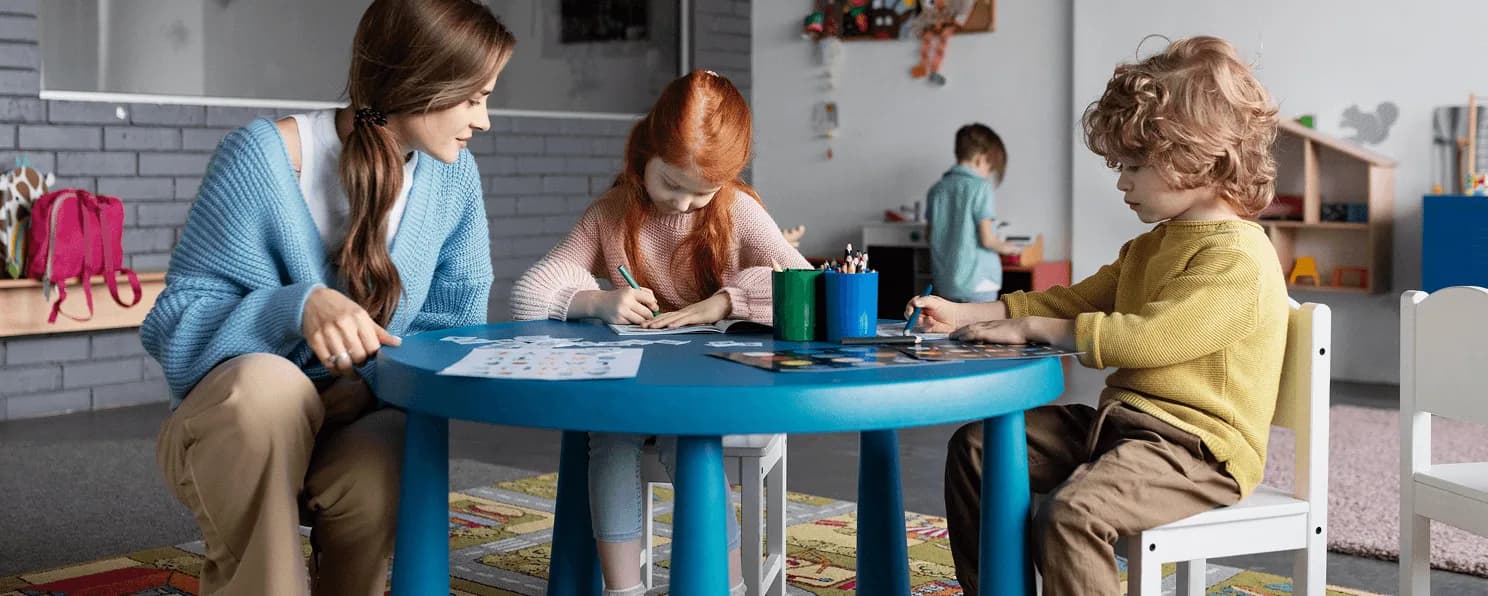
The research on early years is unusually consistent on one point — the quality of the relationship between a child and the adults around them predicts more than any curriculum does. A room with a warm, attentive key person and a battered set of blocks will beat a beautifully resourced room without one, every time.
That is not an argument against resources. It is an argument about what to look at first when you are choosing, and what to ask about when you visit.
What to look for on a visit
Go in the middle of a morning rather than at the tidy end of the day. Watch how staff speak to children who are upset, not to the ones who are already happy. Ask what happens when a child does not want to join in. The answers to those three tell you most of what a brochure cannot.
A good room is not a quiet room. It is a room where the noise has a shape to it.
What to expect in the first month
Settling takes longer than most families are told — three to six weeks is normal, and a child who was fine in week one and distraught in week three has not gone backwards. Sleep and appetite move around. It evens out.
Talk to the key person early and often. If something is not working, they will almost always have seen it before, and the fix is usually smaller than it feels at the school gate.